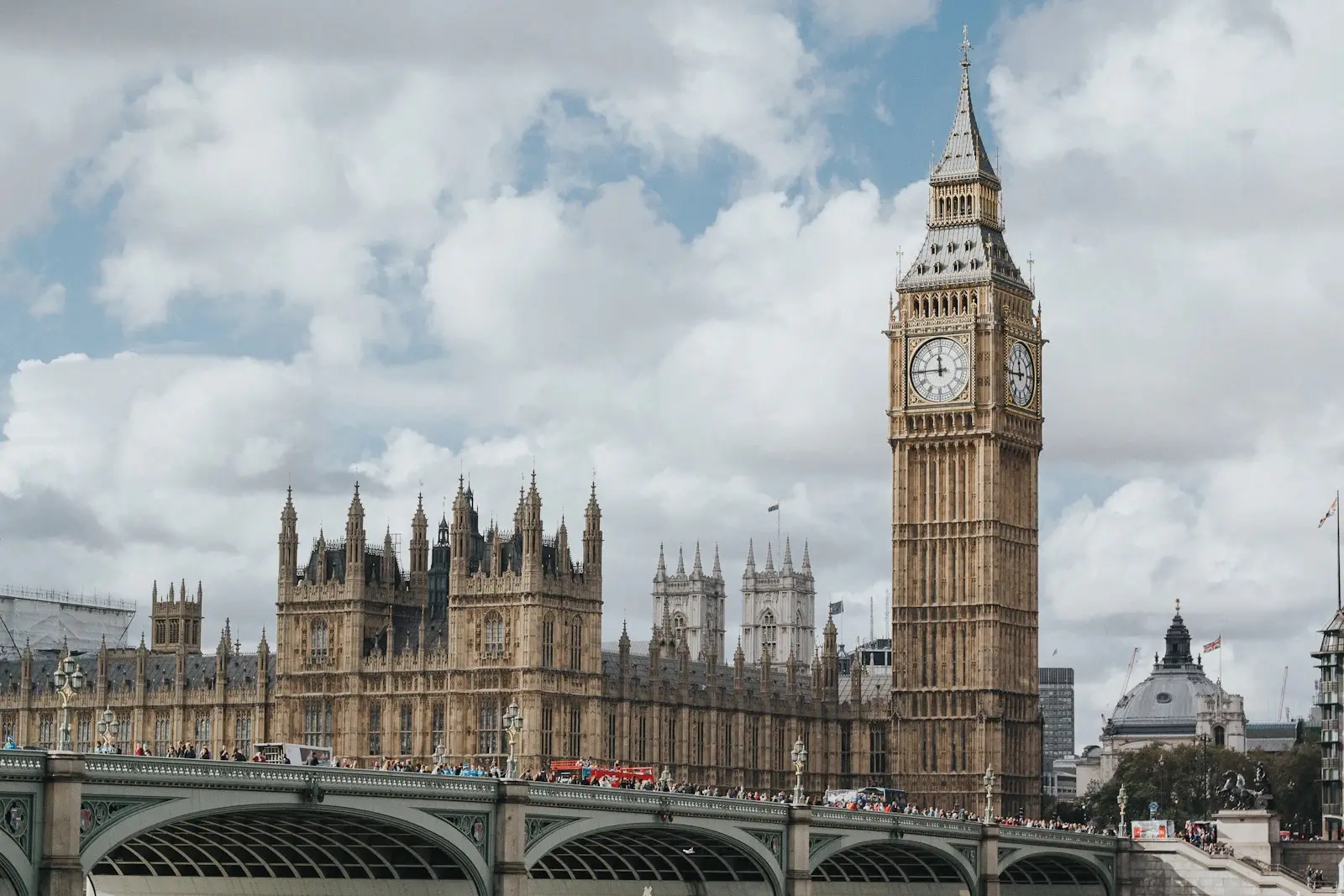
🇬🇧 GB · Study Destination
Study in United Kingdom
Why United Kingdom
The UK boasts prestigious universities with centuries of academic excellence. Known for shorter course durations and world-renowned teaching quality, it remains one of the most popular destinations for international students.
- 01Shorter course duration (3-year bachelor's, 1-year master's)
- 02Historic universities with global recognition
- 03Post-Study Work visa (2 years for graduates)
- 04Rich cultural heritage and diverse student community
- 05High-quality research and teaching standards
- 06Gateway to European opportunities
Visa
Student visa (formerly Tier 4) is required for courses longer than 6 months. Students need a Confirmation of Acceptance for Studies (CAS) from a licensed institution. The Graduate Route allows students to work in the UK for 2 years (3 years for PhD graduates) after completing their degree.
Cost of Living
London: £1,200-1,800/month. Other cities: £900-1,400/month. Includes accommodation, food, transport, bills, and social activities. Many universities offer accommodation at competitive rates.
Top Courses
Intakes
When to apply for United Kingdom
September / October
The main intake — the widest choice of courses and scholarships. Applications typically open around a year ahead; aim to apply 8–10 months before.
January / February
A substantial second intake at most universities, useful if you miss September or need more time for funds and English.
May / June
A smaller intake offered by some universities for selected programmes.
Indicative tuition
Indicative ranges only — tuition varies by university, course and intake, and changes year to year. We build an exact figure for your shortlist.
Entry requirements
- ·Bachelor's: 60–75% in Class 12 depending on the university and course
- ·Master's: a recognised bachelor's degree, typically 55–65% or a 2:1/2:2 equivalent
- ·English: IELTS 6.0–7.0 overall for most courses, with minimum band scores; some universities accept MOI or other tests
- ·Proof of funds covering tuition plus living costs for the visa
- ·SOP, academic references and (for some courses) relevant work experience
After you graduate
The Graduate Route lets most graduates stay and work in the UK after finishing — currently two years for bachelor's and master's graduates, and three for PhD graduates. It needs no job offer and no sponsor, which is why many students use it to find a Skilled Worker role before it expires.
Scholarships worth knowing
Chevening Scholarships
UK government award covering a full one-year master's, including tuition and living costs. Highly competitive; applications open mid-year.
Commonwealth Scholarships
For students from Commonwealth countries including India, covering master's and PhD study.
University merit scholarships
Most UK universities offer their own partial awards to strong Indian applicants — often £2,000–£10,000 off tuition. These are where most of our students actually save money.
GREAT Scholarships
A British Council scheme with participating UK universities, offering awards towards one-year postgraduate courses.
Partner Universities
Where we place students

University of Liverpool
Public · Est. 1881
Queen's University Belfast
Public · Est. 1845
Aston University
Public · Est. 1895


University of Leicester
Public · Est. 1921

University of Huddersfield
Public · Est. 1841

Coventry University
Public · Est. 1843

Get started — it's free
Ready to study
in United Kingdom?
One free call. A plan built around you. No pressure, no obligation.
Studying in United Kingdom — FAQs
How much does it cost to study in the UK from India?
Budget roughly £12,000–£30,000 a year for postgraduate tuition, plus £9,000–£15,000 a year for living costs depending on the city — London is markedly higher than the rest of the UK. Exact figures vary by university and course, and the visa has its own financial-evidence requirement. AimBritz builds a realistic total for your specific shortlist, free.
Can I work while studying in the UK?
Student visa holders on a degree-level course can normally work up to 20 hours a week during term time and full-time during vacations, subject to the conditions printed on your visa. It helps with living costs but should never be counted on to fund tuition.
Can I stay in the UK after my course?
Yes — the Graduate Route currently allows two years' stay for bachelor's and master's graduates (three for PhDs) with no job offer required. Many students use that window to move onto the Skilled Worker visa. See our UK Skilled Worker Visa guide for how that works.
Do I need IELTS to study in the UK?
Most universities ask for IELTS or an equivalent approved English test, typically 6.0–7.0 overall. Some accept a Medium of Instruction letter or their own assessment for certain courses and applicant profiles. We check which of your shortlisted universities will accept your profile without IELTS before you book a test.